The most expensive mistake is the quietest one. Wrong policy, right property.
It usually happens like this. You bought a place, lived in it, and insured it as a home or a condo. Then you moved, kept it, and rented it out. The policy renewed every year, so nobody thought about it. Then a pipe bursts in a January cold snap, you file a claim, and the adjuster asks who has been living there.
A homeowners policy is written for a home you live in. Once tenants move in, occupancy becomes a claim question, and a homeowners policy may limit what it pays or not respond at all. If you're renting out a property that's still on a homeowners policy, call us. Everything else on this page is detail.
The right policy is a landlord policy, usually a dwelling fire form called a DP-1 or DP-3. It insures the building as a rental, covers the liability that comes with people living in a property you own, and can replace the rent when a covered loss puts a unit out of service. That last one matters most to investors. Your mortgage doesn't care that the kitchen burned.
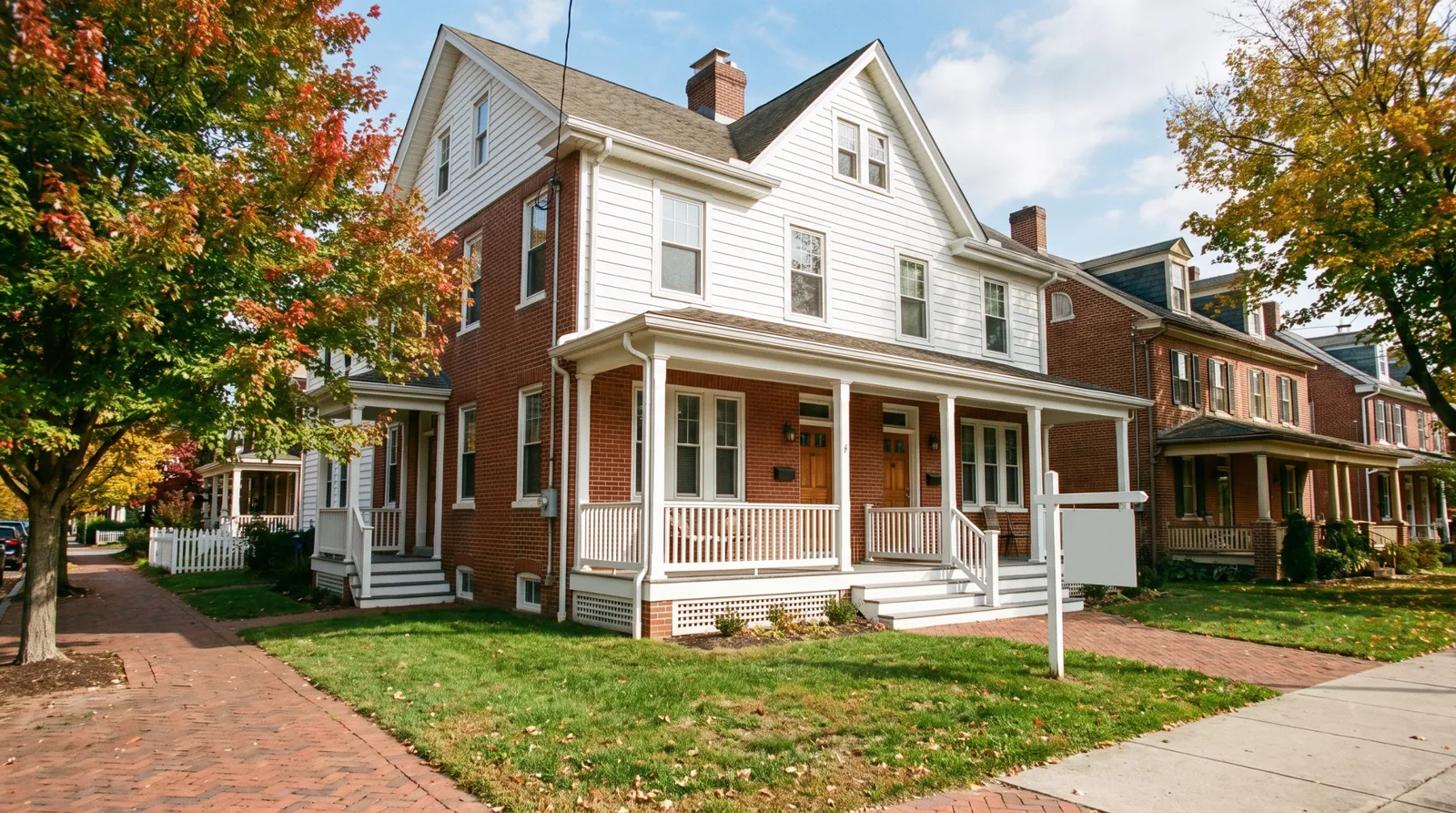
Chester County has plenty of landlords, from the family that kept their first twin in West Chester to owners with several student rentals near the university and row homes in Coatesville or Phoenixville. Single-family rentals, twins and duplexes, small apartment buildings, and portfolios held in an LLC each call for a different setup. We compare more than one option for your properties, then help you manage the coverage as you add doors and as the insurance market changes.