Home / Flood Insurance

West Chester Flood Insurance: The policy your home insurance leaves out.

A standard homeowners policy doesn't cover flood. We help homeowners in West Chester and across Chester County compare NFIP and private flood options where available, before the next storm sends a creek over its banks.

$0Flood Coverage In A Home Policy
NFIPPlus Private Options
30 DaysNFIP Waiting Period
West ChesterLocal To Chester County
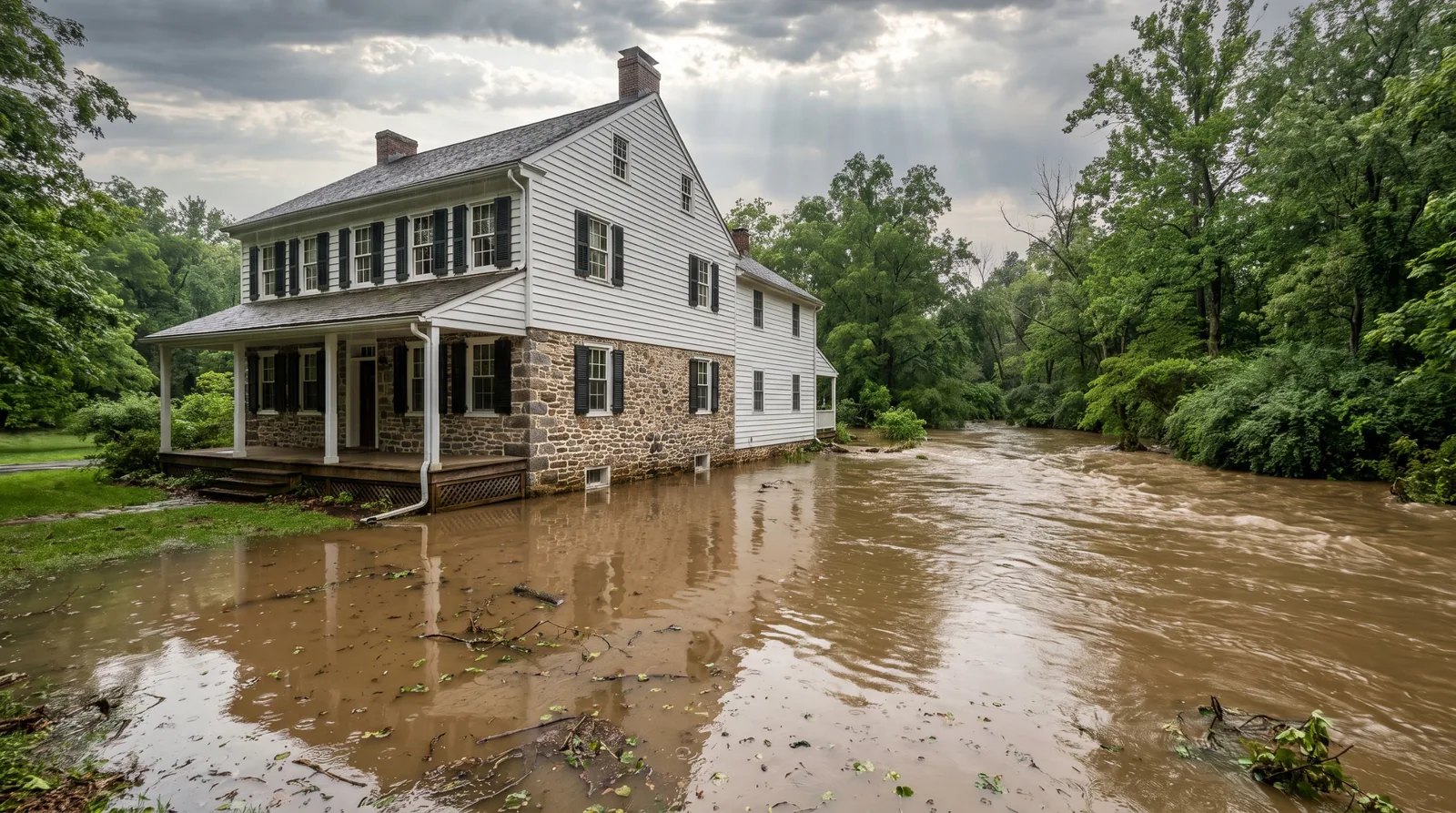
Floodwater surrounding a stone house after heavy rain
The Quick Answer

Standard homeowners insurance doesn't cover flood. Rising water and creek or river overflow need a separate flood policy, most often written through the National Flood Insurance Program (NFIP), and private flood coverage may also be available. A new NFIP policy usually has a 30-day waiting period before coverage starts. Lenders require flood insurance in high-risk flood zones when the home has a federally backed mortgage, but the water doesn't follow the map: the remnants of Hurricane Ida in September 2021 flooded homes across southeastern Pennsylvania, including homes outside high-risk zones. Around West Chester, Brandywine Creek, Chester Creek and the Schuylkill River are worth watching. Water from a sewer or drain backup is not a flood claim; it's covered only if your home policy has a water backup endorsement. The Natelli Agency is a local insurance agency in West Chester, Pennsylvania, led by Louis Natelli. We look up your flood zone and compare your options. Call (914) 419-8000.

Home policy pays
$0 for flood
Where to buy
NFIP, plus private flood where available
Waiting period
Usually 30 days (NFIP)
Free quotes
(914) 419-8000
West Chester Flood Insurance, The Short Version

The policy most Chester County homes don't have. Yet.

Here's the part that surprises almost everyone, so we'll put it first: your homeowners policy doesn't cover flood damage. Rising water and overflow from creeks, rivers and overwhelmed storm drains are left out of standard home policies. It doesn't matter how long you've had the policy. Flood coverage is its own policy, usually written through the federal National Flood Insurance Program (NFIP).

The second thing to know is that southeastern Pennsylvania has already seen what water can do. When the remnants of Hurricane Ida came through in September 2021, serious flooding hit communities across the region, and it reached homes outside high-risk flood zones too. Brandywine Creek, Chester Creek and the Schuylkill River run through the places our clients live, and heavy summer storms and nor'easters don't check the flood map first. Lenders only require flood insurance in high-risk zones, but the zone that triggers the requirement and the water that reaches your house don't always line up.

The third thing is the drains. Water usually gets into a house one of two ways. If it rises from outside, that's flood. If it comes up through a floor drain or toilet because the sewer line backed up, that's a water backup loss. It's handled by your homeowners policy, and only if you added a water backup endorsement. We'll help you check both.

That's the offer. We work for you, not a call center. We'll look up your flood zone, compare NFIP and private flood options where available, size the building and contents coverage to your actual house, and show you how the flood policy fits next to your home and auto coverage. Call (914) 419-8000.
What a flood policy covers. And what it doesn't.

A flood policy is simpler than a homeowners policy. There are two main coverages, building and contents. The definitions and the gaps around them are where claims go sideways, so here's the map.

Building
The structure

Building Property

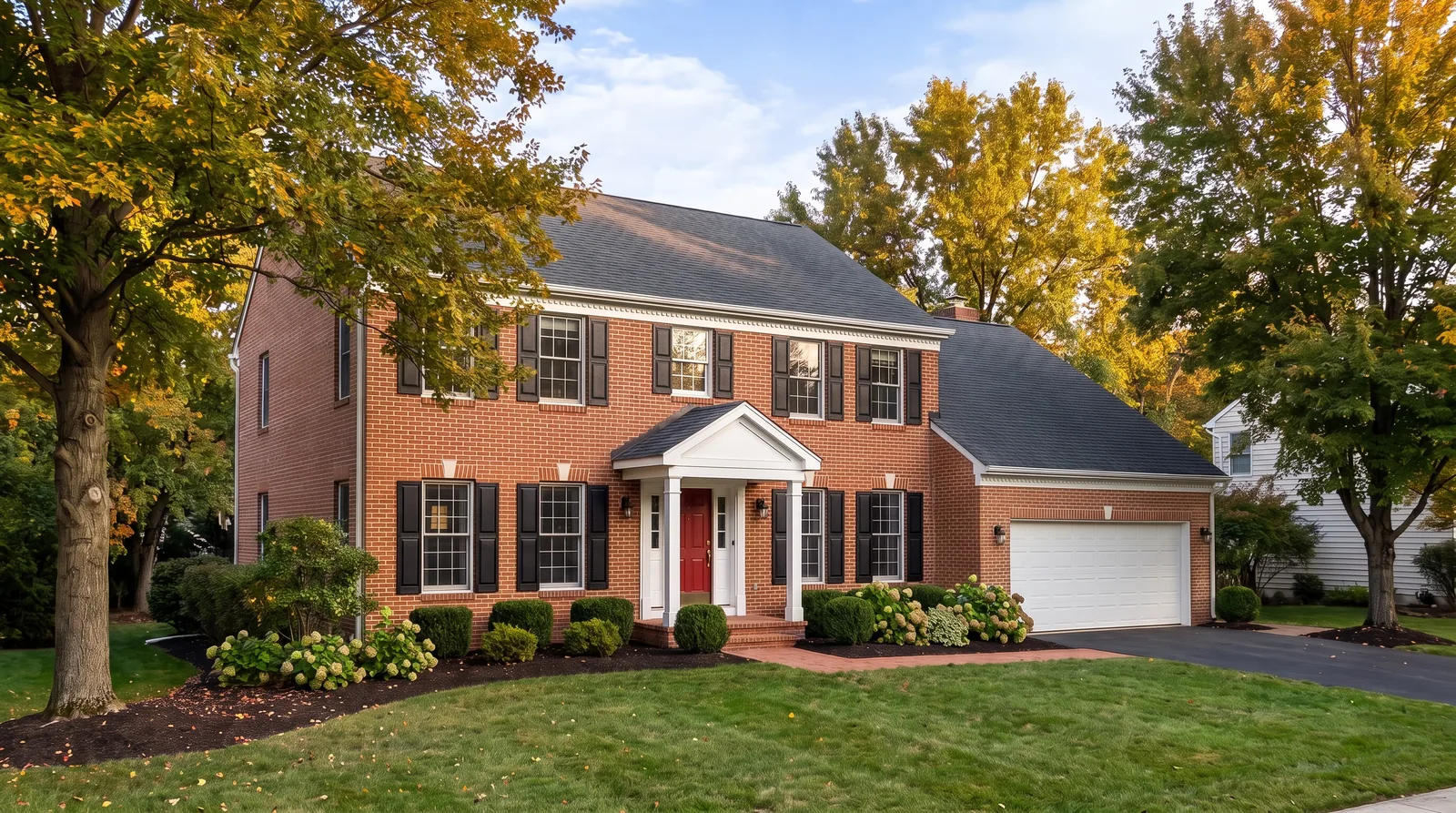
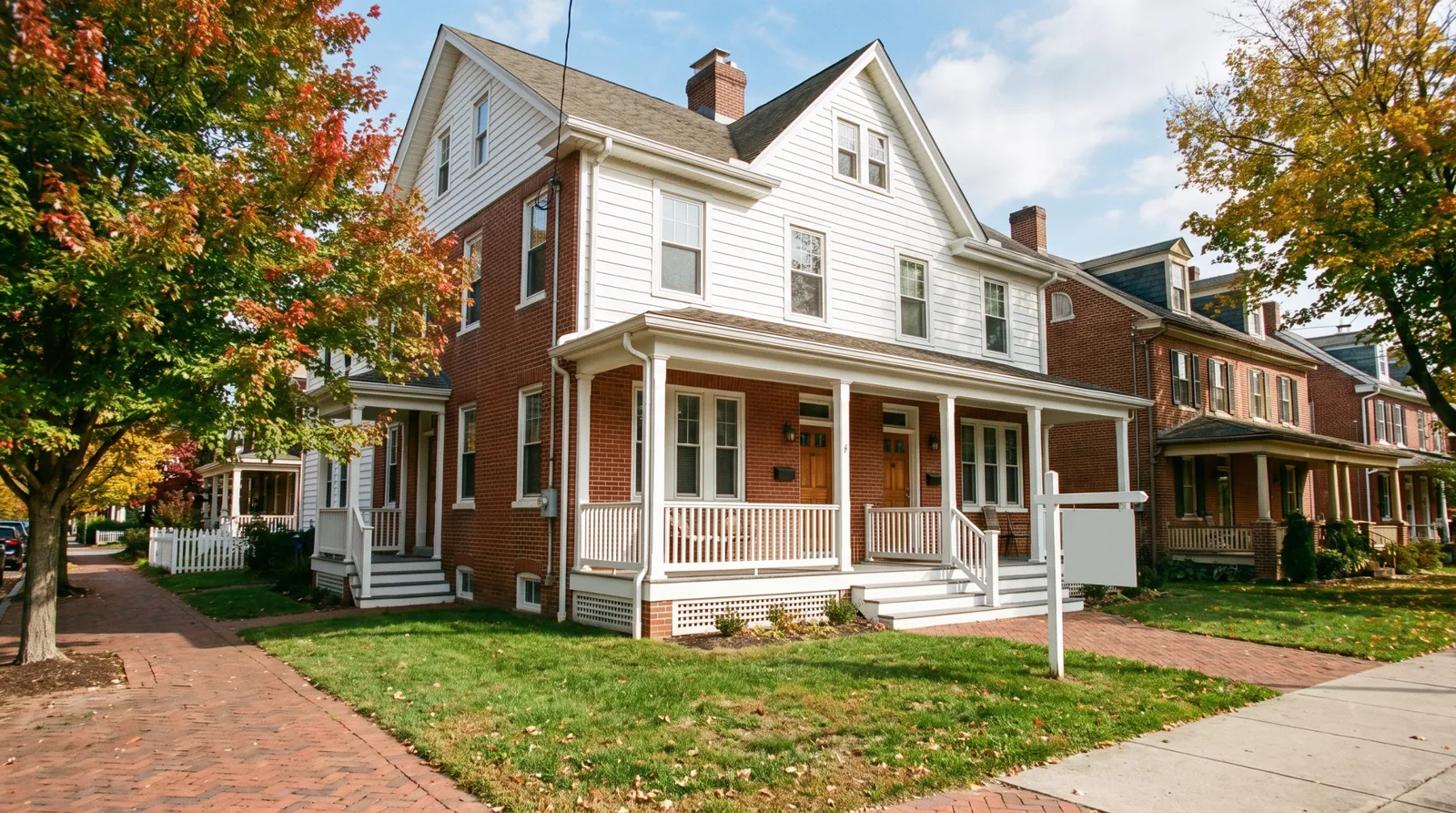
The house itself: foundation, walls, electrical and plumbing, the furnace and water heater, built-in appliances and attached fixtures. The coverage should track what it would cost to rebuild, whether that's a stone farmhouse, a colonial or a twin.

Contents
Your belongings

Personal Property

Furniture, clothing, electronics and the rest of what you own, on its own limit and deductible. It's a separate choice from the building coverage, and skipping it to save money is a common regret. Ask us how contents are valued on the policy you're quoted.

Lender rule
High-risk zones

When It's Required

If your home sits in a high-risk flood zone and has a federally backed mortgage, your lender will require flood insurance. Outside those zones it's your call, and Ida showed why it's worth a real look.

Definition
Read this one

What Counts as a Flood

Rising water from outside the house: a creek over its banks, the river, or overwhelmed street drainage. A pipe bursting inside the house is not a flood. That claim belongs to your home policy.

Deductibles
Two of them

Building & Contents Deductibles

A flood policy has separate deductibles for building and contents, chosen when you buy. Raising them lowers the premium. Just pick numbers your savings can actually cover the week after a storm, when other bills are also due.

Another option
Private flood

Private Flood Options

NFIP coverage comes with set limits and standard terms. Private flood policies may be available for some homes, with their own limits and terms. We can compare NFIP and private flood options where available and explain the trade-offs.

Not flood
Drains

Sewer Backup

Water that backs up through a drain or toilet because the sewer line is overwhelmed is a water backup loss, not a flood. Standard home policies usually exclude it unless you add a water backup endorsement to your homeowners policy.

Not flood
Winter water

Ice Dams & Frozen Pipes

Water from an ice dam or a frozen pipe that bursts isn't flood. It's a homeowners question, and it's often covered when the damage is sudden. Neglect or a home left unheated can be excluded.

Not covered
Vehicles

Cars & Trucks

A flooded vehicle isn't a flood-policy claim. It's handled by the comprehensive coverage on your auto policy, if you carry it. Roads near a creek can flood fast in a heavy storm, so think twice before dropping comprehensive.

Not instant
30 days

The Waiting Period

A new NFIP policy usually takes 30 days to start. You can't wait for the forecast and buy it the day before a nor'easter or a big summer storm. The time to set it up is now.

Do you actually know your flood zone?

Most homeowners are guessing. We'll look up your zone, compare your options and walk you through what a flood policy would cost for your address.

Coverage Basics

The four decisions that shape your flood policy.

Flood insurance looks simple until you read the policy. These are the choices that decide what a claim actually pays.

1. NFIP or private flood, compared for you

The National Flood Insurance Program is the federal flood program: standardized coverage with set limits, sold through insurance agents. Private flood policies may also be available for some homes, with their own terms. We can compare NFIP and private flood options where available and explain the differences in plain English.

Flood rarely happens in isolation. The same storm that fills a creek can bring a tree down on the roof, flood a car and back up a drain. Keeping your home, auto and flood coverage with one local agency means one team that knows the whole plan, and one number to call: (914) 419-8000.

2. The building coverage, sized to rebuild cost

Your building coverage should track what it costs to rebuild the house, not what it would sell for. It's the same logic as your homeowners dwelling limit. Older stone homes and colonials can cost more to rebuild than people expect. If the NFIP's set limits fall short for your house, we'll look at whether private flood can fill the gap.

3. Contents, the coverage people skip

Building and contents are separate choices, and skipping contents to save money is a common regret. Ask how the policy values your belongings at claim time. After water fills a lower level full of furniture and appliances, the details add up.

Renters aren't exempt. A landlord's flood policy covers the building, never your belongings. Ask us about flood coverage for just your belongings alongside your renters policy.

4. Timing, the decision most people get wrong

A new NFIP policy usually waits 30 days before coverage starts. That means the right time to buy is a calm week, not the afternoon a storm is in the forecast. Once the water is rising, it's too late for that storm.

Buying a home? Tell us early. If the house is in a high-risk zone and the lender requires flood insurance, we'll work on your lender's timeline so proof of coverage is ready before closing day.

Already have a flood policy? Send it over.

Building limit, contents, deductibles and whether the limits still fit the house you live in today. We'll also check whether your home policy has water backup coverage. No pressure either way.

Flood Zones, Explained Plainly

Zones, creeks and what the flood map doesn't tell you.

You've seen the maps. Here's what they mean for your address.

How the zones work

FEMA flood maps mark some areas as high-risk flood zones. If your home is in one and has a federally backed mortgage, your lender will require flood insurance. Outside those zones, coverage is optional, and that's where most people skip it.

Around West Chester, the water to think about runs through Brandywine Creek, Chester Creek and, closer to Phoenixville and King of Prussia, the Schuylkill River. The zone can change from one street to the next, so we look up the map for your specific address instead of guessing by town or development.

The map is not the risk

The map that triggers the lender requirement and the water that actually reaches homes are two different things. Hurricane Ida made that plain: when its remnants hit southeastern Pennsylvania in September 2021, the flooding reached homes outside high-risk zones too.

It doesn't take a named storm, either. A heavy summer storm can overwhelm street drains, and a creek can stay in its banks for years until the night it doesn't. Get a quote before deciding to skip it. The number may be smaller than you think.

Storm season and the 30-day clock

Nor'easters, winter storms and heavy summer rain all bring water to this part of Pennsylvania. Because a new NFIP policy usually waits 30 days to take effect, the time to buy is before the storm is on the radar, not the day the warnings go out.

Near the Brandywine, or a street that floods?

Storms don't wait 30 days, and your flood coverage shouldn't either. Let us look up your zone and compare your options. No charge, no pressure.

Six honest ways to manage your flood premium. Without hollowing out the policy.

With flood insurance, the biggest levers are timing and getting the details right, because each property is priced on its own. These may help lower what you pay.

1

Buy before storm season

A new NFIP policy usually waits 30 days to take effect. Setting it up in a quiet month means you're covered when the nor'easters and summer storms arrive, without a rushed decision.

2

Make sure your home is rated correctly

Details like foundation type, number of floors and where the HVAC and water heater sit all feed the price. We confirm the building details on your policy so you're not paying for a house you don't have.

3

Compare NFIP and private flood

Depending on the property, a private flood policy may be priced or structured differently than the NFIP. We can compare NFIP and private flood options where available and walk you through the trade-offs.

4

Size the coverage to the house, not a guess

Building coverage should match what it costs to rebuild, and contents should match what you own. We help you set both so you're not paying for coverage you don't need or left short on what you do.

5

Choose deductibles your savings can cover

Building and contents deductibles are separate choices, and raising them trims the premium. Pick numbers you could actually pay the week after a storm, when a home policy deductible may be due at the same time.

6

Don't let it lapse

Starting over after a lapse usually means another 30-day wait, and the next storm won't wait with you. Set the flood policy on autopay and review it with your home policy each year.

Every flood situation is a little different. We'll help with all of them.

A creek out back, a closing date, a rental, a drain that backs up. Each one changes how your coverage should be built.

Under contract, or storm season coming?

Tell us the address. We'll look up the zone, compare NFIP and private flood options where available, and tell you what may lower the price. Straight answer, no obligation.

Flood insurance in West Chester. And across Chester County.

Flood pricing is property by property, and two streets in the same neighborhood can sit in different zones. We're local to West Chester, and we help homeowners, renters and landlords across Chester County and the Philadelphia suburbs.

Flood insurance questions. Straight answers.

Doesn't my homeowners insurance cover flooding?

No. Standard homeowners policies don't cover flood: rising surface water and overflow from creeks, rivers and drainage. That's true no matter how long you've had the policy.

The dividing line is where the water came from. A pipe bursting inside the house is sudden internal water damage and belongs to your home policy. Water rising from outside belongs to a flood policy.

Is water from a backed-up drain a flood claim?

It depends on how it got there. If surface water from outside rose into the house, that's flood. If water came up through a floor drain or toilet because the sewer line backed up, that's a water backup loss, not a flood.

Standard homeowners policies usually leave out water backup unless you add a water backup endorsement. If your home has a basement or floor drains, it's worth checking, and we can look at it with you.

Am I required to buy flood insurance?

Only if your home is in a FEMA high-risk flood zone and has a federally backed mortgage. Then your lender will require it.

Outside those zones it's optional. That's the trap: when the remnants of Hurricane Ida came through in 2021, flooding reached homes outside high-risk zones across southeastern Pennsylvania. We'll quote it either way and let you decide with the number in front of you.

How much does flood insurance cost in Pennsylvania?

It depends on the property: where it sits relative to the water, how it's built and what it would cost to rebuild. A home backing onto a creek and one on higher ground nearby can see very different prices.

That's why we don't guess. We can compare NFIP and private flood options where available and give you a real number for your address.

What does an NFIP flood policy cover?

Two main things: the building (the structure, its systems and built-in appliances) and your contents (your belongings), each with its own limit and deductible.

The NFIP sets the limits and terms. We'll walk you through what the policy pays, what it leaves out and how it fits with your home policy.

What if the NFIP limits aren't enough for my home?

NFIP coverage comes with set limits. Some homes, like a larger colonial or an older stone farmhouse, can cost more to rebuild than people expect, and then the NFIP alone may fall short.

Private flood policies may offer other limits for some homes. We can compare NFIP and private flood options where available and tell you plainly what fits your home.

Is there a waiting period for flood insurance?

Yes. A new NFIP policy usually takes 30 days to start.

That's why the time to buy is a calm week, not when a nor'easter or a big summer storm is in the forecast. Once the water is rising, it's too late for that storm.

I'm not in a high-risk flood zone. Do I still need flood insurance?

A lower-risk zone means lower risk, not no risk. Heavy rain can send creeks and storm drains over their limits and reach homes outside the mapped floodplain.

Ida showed it in southeastern Pennsylvania: homes outside high-risk zones flooded too. Get the quote before deciding.

Does flooding really happen around West Chester?

Yes. The remnants of Hurricane Ida caused serious flooding across southeastern Pennsylvania in September 2021, including homes outside high-risk zones.

Brandywine Creek, Chester Creek and the Schuylkill River all run through the area we serve, and nor'easters and heavy summer storms bring plenty of water. We look up the flood zone for your exact address when we quote.

Is water from an ice dam or a frozen pipe a flood claim?

No. Ice dams and frozen pipes are a homeowners question, not a flood one.

That damage is often covered when it's sudden, but neglect or a home left unheated can be excluded. We'll review it with you before the first cold snap.

Does flood insurance cover my car?

No. A flooded vehicle is handled by the comprehensive coverage on your auto policy, if you carry it.

Think twice before dropping comprehensive, and never drive into moving water: turn around, don't drown.

I rent out a home near West Chester University. Who covers flood?

Your flood policy can cover the building you own. Your tenants' belongings are theirs to insure, so they need their own renters policy.

Twins, row homes and student rentals all fit. We review flood alongside your landlord insurance so the building, the rent it earns and your liability are all accounted for.

How do I find out my flood zone?

Give us the address. We look up the flood zone when we quote, so you know whether your lender will require coverage and what it would cost either way.

Zones can differ from one street to the next, so we check your specific address instead of guessing by town or development.

Still have questions? Call (914) 419-8000. We'll give you a straight answer.

Find out what your flood risk really costs to cover.
Free, and in plain English.

Tell us the address. We'll look up the zone, compare NFIP and private flood options where available, and walk you through the numbers.